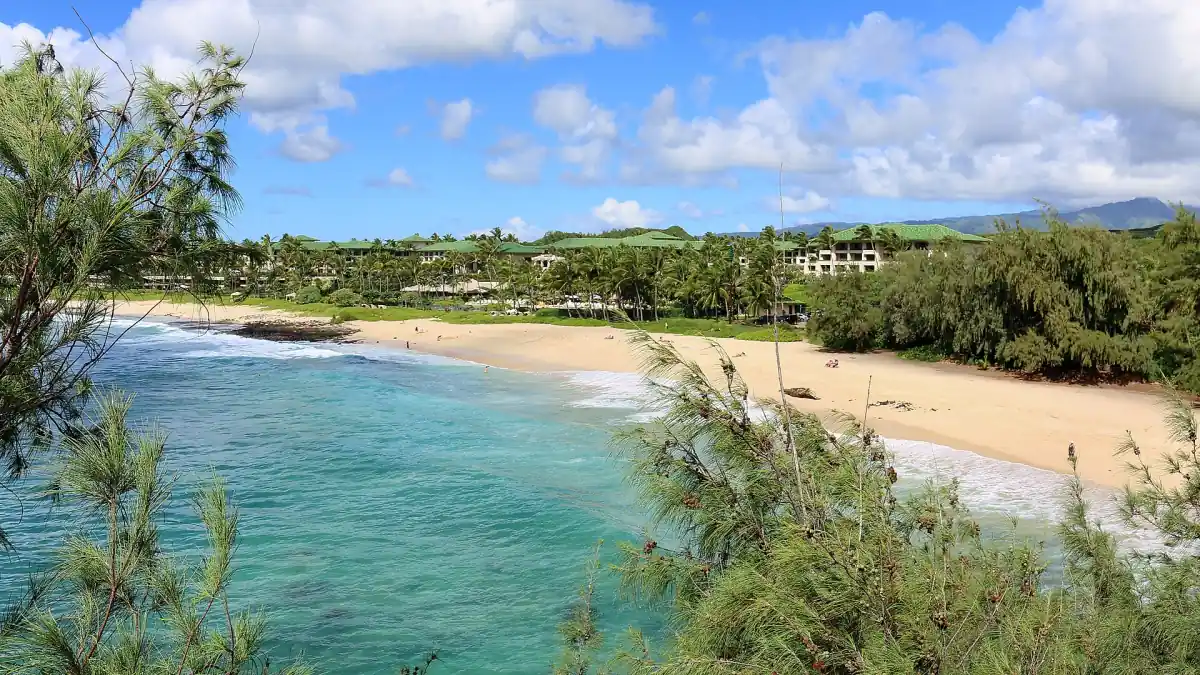
Choose the best time to visit Koloa by activity
The best time to visit Koloa is a choice between priorities rather than a single month that suits every plan. Poipu's coastal setting makes the sea important, while the inland town and guided land activities offer a different way to shape the stay. Begin with the experience that matters most, then consider rainfall, swell and the practical arrangements around that activity.
The regional climate reference is NOAA's Lihue Airport normal series for 1991 to 2020, from the report dated 14 May 2026. In that series, June and July have lower average monthly rainfall than March and December. The station provides regional orientation, not a local Poipu Beach measurement or a forecast. The full definitions and monthly figures belong on the Poipu weather page.
A traveller mainly interested in town visits may weigh that rainfall pattern differently from someone whose main goal is snorkeling. For a mixed stay, keep both a coastal plan and a land-based plan available. That gives each day a useful purpose without requiring the sea to behave in a particular way throughout the trip.

Weigh summer rainfall against south swells
The relatively low rainfall totals for June and July may appeal when comparing periods for outdoor visits. At the same time, Hawaii's seasonal ocean-safety guidance describes May to October as the summer phase, when south-facing shores can receive larger south swells. Those two patterns can occur together. A month that looks attractive in the rainfall record still needs daily decisions about the water.
For November to April, the broad seasonal pattern places greater exposure on northern and western shores, with southern shores often smaller. Use this seasonal background alongside rainfall when selecting dates for a snorkeling trip. For snorkeling in Poipu, use the actual conditions at the intended entry point, current warnings and local advice. Keep a visit to Old Koloa Town as a separate option rather than forcing a water activity into unsuitable conditions.
Fishing as an outdoor option
The reservoir trip is an outdoor activity to consider when planning your stay.
Hand-picked tours, booked through Viator. Prices are indicative starting prices in US dollars (as of October 2026). Tap a tour for live availability and the current price in your currency.


A planned fishing outing at Waita Reservoir
This three-hour bass-fishing activity meets in Koloa and includes a fishing rod and bait, safety instruction, bottled water and locally made granola bars.
Fishing as an outdoor option from Koloa
The Waita Reservoir bass-fishing outing is a specific activity to consider when putting together the stay. Its meeting point is 1 Mahaulepu Road in Koloa. Guests may ride in the van or follow the guide in their own car to the fishing point, with no transport charge. The activity lasts three hours, giving it a defined place in the day's plan.
Use of a fishing rod and bait, fishing safety instruction, bottled water and locally made granola bars are included. Choose it for the experience of fishing at the reservoir, with the understanding that catches vary. As of 7 November 2026, the listing has a 5.0 rating from one review. That is a very small feedback base, so weigh the activity's setting and included services more heavily than the headline rating.
The outing is an outdoor plan in its own right. Select a suitable date from the offered schedule and allow for changing weather, rather than treating the reservoir as a weatherproof replacement for every coastal activity. Its inclusion here does not establish a seasonal catch calendar; the useful comparison is between time on the water at the coast and a guided fishing visit inland.
Leave room for a land-based day
Old Koloa offers shops and former plantation buildings inland from the coastal area. A town visit changes the focus of the day without needing a boat departure or a snorkeling entry. Arrange visits around the opening arrangements of the individual places that interest the travelling party. The range of Koloa tours and activities also helps separate different kinds of outdoor plans.
Activities on land have their own weather limits. The local zipline operator describes possible changes in strong wind or poor visibility, so moving away from the coast should still involve an adaptable schedule. Choose the activity for what it offers and its participation requirements, rather than assuming that a land-based outing runs under every weather condition.
Keep arrival and accommodation plans workable
Arrival is through Lihue Airport (LIH). The state tourism FAQ gives about 30 minutes by road to Poipu as an orientation figure, with the actual journey affected by conditions. Separate arrival from any tightly timed first activity and use the arrival guide to choose transport. The location of the base also matters: coastal Poipu and inland Old Koloa are different starting points, as explained in where to stay.
Finally, consider access notices separately from the season. County announcements scheduled Poipu parking closure from 26 October to 6 November 2026 and park closure on 5 and 6 November. The 5 November notice listed western toilets closed without an end date. Consult the latest access information for the intended visit, and base swimming decisions on current conditions and lifeguard advice.
Questions about choosing travel dates
Which months are relatively drier in the regional record?
June and July have lower mean rainfall than March and December in the Lihue Airport normals for 1991 to 2020. That comparison is regional climate context.
Does summer suit every snorkeling plan?
South swells can affect south-facing shores during the summer pattern. Select the actual site and day using current conditions rather than rainfall averages.
Does the Waita fishing outing promise a seasonal catch?
It offers a three-hour reservoir fishing experience with equipment and safety instruction. Catches vary, and its 5.0 rating was based on one review as of 7 November 2026.